A new home for Codewalker
The site is rebuilt with Hugo and Pagefind: a devlog for Hexground, the old tech notes kept as a searchable archive, and a contact form.
Independent game & software studio · UK
Codewalker is a one-person studio. These days that means Hexground: Gods of Olympus, a turn-based hex strategy game set in Greek myth, written in Godot. The devlog below follows it as it's built.
Devlog · progress notes
Regular updates on the development of Hexground: new rules, new art, playtest findings and what's next.
The site is rebuilt with Hugo and Pagefind: a devlog for Hexground, the old tech notes kept as a searchable archive, and a contact form.
Chapters III and IV with Medusa and Cerberus, all twenty campaign levels, painted tile art, scenery, prize islands and the full set of 42 cards.
Sixteen pull requests in one day: the AI learns to guard and gang up, the Labyrinth and the Hydra become boss levels, and all four gods are playable.
Simulating thousands of games to set piece costs, a design pass on the AI and the campaign, and a clear trademark search.
Scripted test scenarios, a cleaner turn structure, figurine art for every piece, music and the first sound effects.
Now in development
A turn-based 2D hex strategy game in Greek myth. You play a god. Your hero leads an army on the ground, mythical creatures roam the island, and every few rounds the gods themselves take a turn.
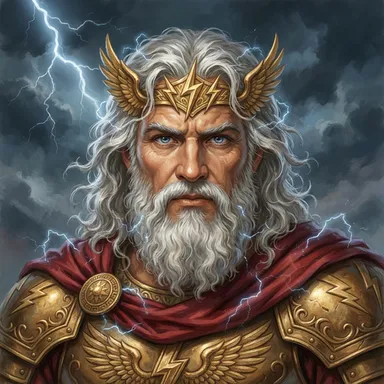
Poseidon and Theseus, Zeus and Heracles, Hephaestus and Achilles, Hades and Orpheus. Each god has an element; lose your hero and you lose the game.

The Hydra, the Minotaur, Medusa, Cerberus and more roam the island and answer to no one, until a god tames them on a god round.
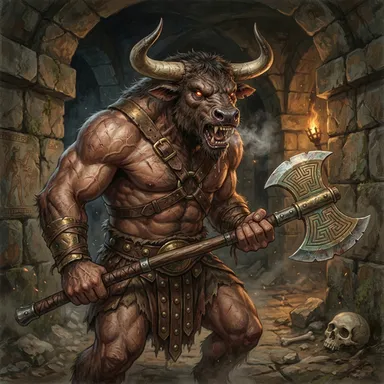
Four chapters, twenty levels, each ending in a boss: the Labyrinth, the Lernaean Hydra, the Gorgon's Temple and the Gate of Hades.
The archive
Tech notes carried over from the old Code Walker docs site: Linux, Ansible, FastAPI, Go, containers, OpenShift and AI.
Fedora as a daily driver and RHEL-family server administration. →
Automation with Ansible, from first playbook to roles and AWS inventory. →
Building and shipping a Python web application with FastAPI. →
A pragmatic guide to Go: the fundamentals, then web applications. →
Containers with Podman. →
OpenShift Local, image registries, builds and deployments. →
RHEL AI, Granite models and running LLMs locally. →
Reference notes on the tools that come up again and again. →
A bit about me
I've spent most of my career on Linux: running servers, automating them, and writing the code that sits on top.
Codewalker started as a place to keep my technical notes: Linux administration, Ansible, FastAPI, Go, Podman and OpenShift, written up as I learned them. Those notes now live in the archive, tidied and searchable.
Get in touch
Questions about Hexground, playtesting, the notes, or a project you'd like a hand with: send a message and I'll get back to you.